What responsibility do built environment professionals have to Gaza? Especially landscape architects who are the stewards of the environment and advocates for sustainable practices?
How can we be hopeful when the world reels in unpredictable chaotic gyres?
I woke up on Friday morning, stewing. By 06:00 I’d been stewing for three hours. Just like with a good stew, the flavours took a bit of time to settle and emerge, so it was only by 07:00 that I had a sense of what the issue was.
The process that landed me in my stew, started earlier in the week. I’ve been asked to submit an abstract for an upcoming journal themed, Landscapes of Hope. I mulled it over, trying to connect thoughts and work currently underway. Hope. The very act of dreaming and visioning a project is an act of hope. A belief in a better future. It’s what we, landscape architects – do. We imagine a future that through our shaping of space, is beautiful, sustainable, functional, liveable, resilient – and maybe even a little playful. Spaces and places where people feel safe to connect, dream, love, grow and learn. Bicker, break-up and make-up. Places and spaces where people live their best lives. This is what we do.
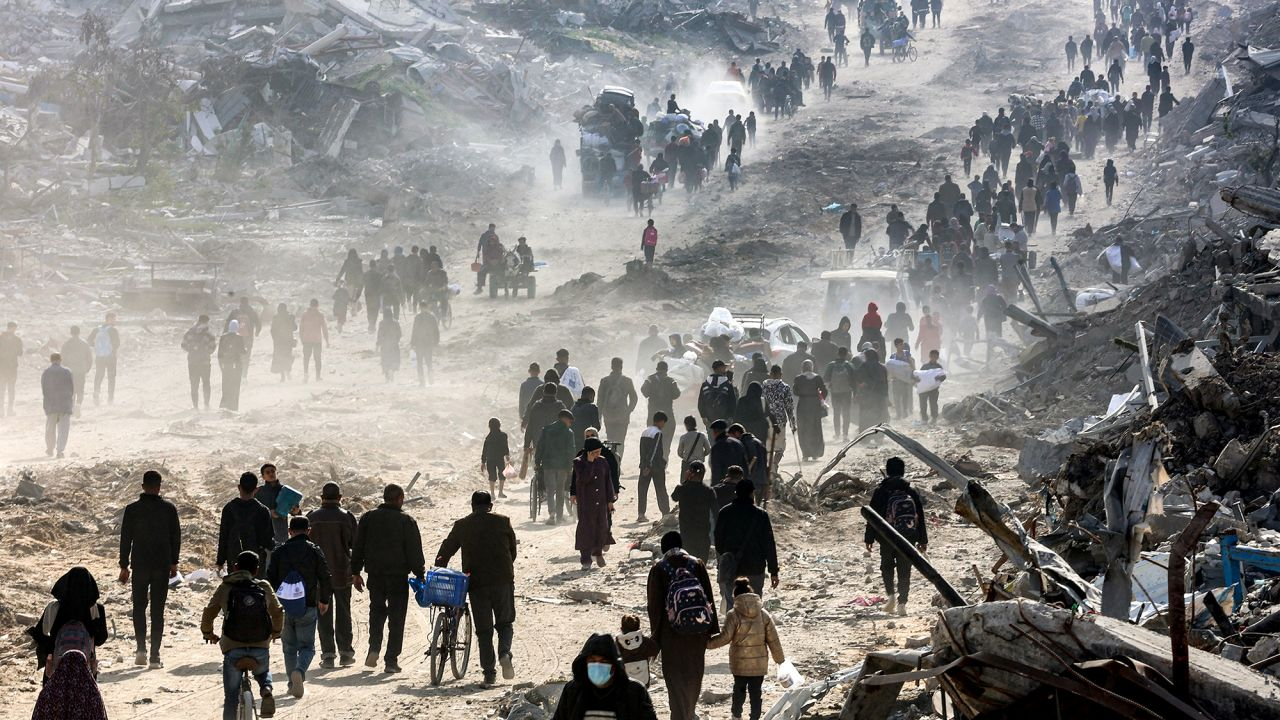
The events of the past year in Gaza and more recently in the United States are nothing less than extra-ordinary. Images of complete devastation. Homes demolished. Neighbourhoods vapourised into cement-laden clouds. Over the past days, I’ve been trying to make sense of why the situation is so very deeply distressing. Here are some thoughts.
At the beginning of the Israel war with Hamas, there was hope that the international community would intervene. That “sense” would prevail. At that time, I would not have expected to be scrolling through the headlines numbly, a year later, knowing that the international community would do nothing. Or rather, that they would further enable Palestinian genocide and support plans for ethnic cleansing. Gone is the hope that South Africa’s leadership and promotion of international law – could hasten an end to the madness. But it was worth a try and I am incredibly proud of our national effort.
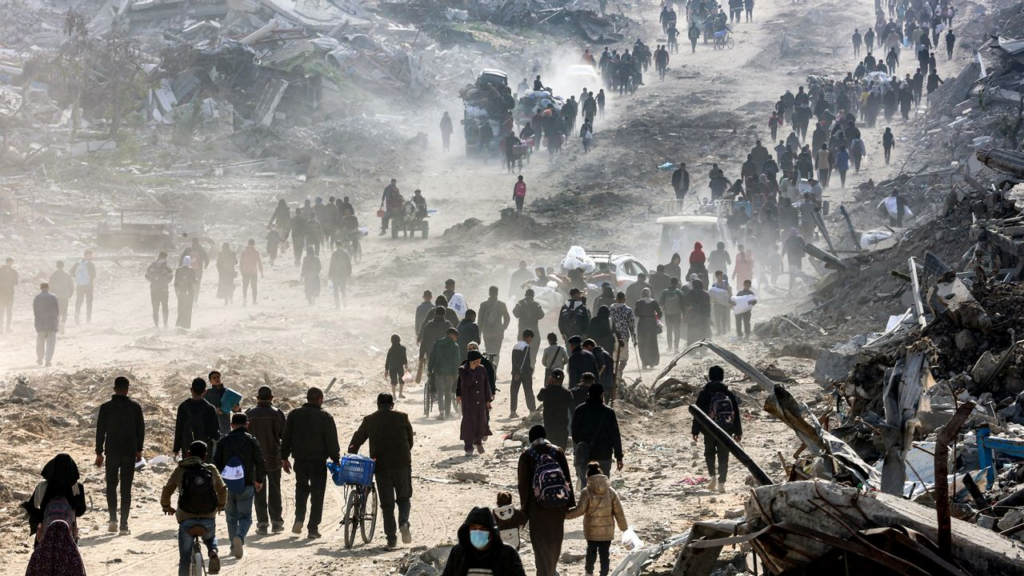
The week had been battered with images of a destructed Gaza. Dusty wastelands populated with Laurence Laurie-esque matchstick-people throngs. Diminutive and broken. The constant stream resonates uncomfortably with archival material from ‘the bad old days’. Apartheid South Africa. The forced removal of families. The dissolution of communities. The evisceration of identity. We did it guys. Boots and all. Our government forcibly removed families. The intergenerational trauma of this action continues to reverberate through our cities and politics, today.
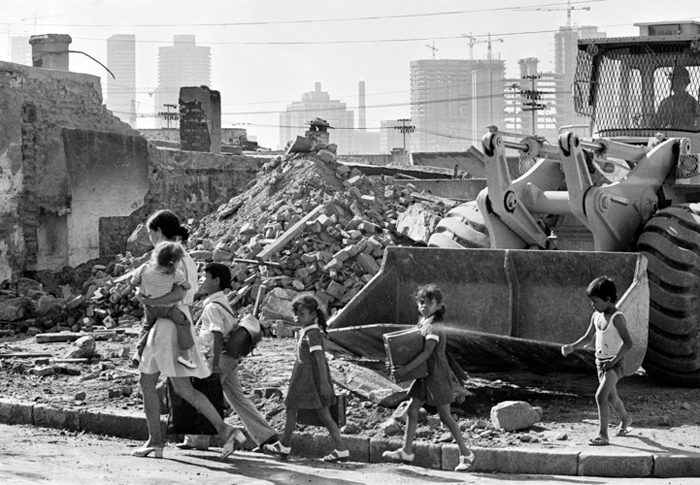
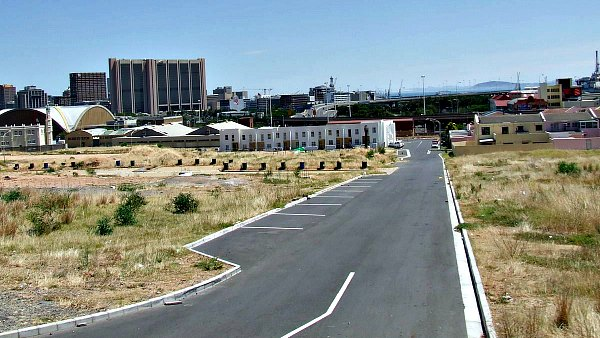
In Cape Town, we moved families to the Cape Flats, to places such as Mitchell’s Plain, described in “Heartland of South Africa’s Coloured Community” as “one of the most exciting housing projects in the world”, “with a beautiful 9 km seafront” (Welcome to Mitchell’s Plain – The Miracle-like Engineering Adventure – Africae). Trump utterances of moving Gazans to “safer and more beautiful communities, with new and modern homes” are uncannily similar. These areas are the same that have skyrocketed Cape Town’s notoriety for crime and gangsterism. In some instances, like District 6 (Cape Town), development never happened, and to this day, the area remains a scar and reminder of our painful past.
What is unfolding in Gaza, right before us, is the worst possible kind of apartheid planning.
Anyone who has been to the Holy Land and travelled with Palestinians will know. I have had this privilege. I have been singled out by border control because of my South African passport. I was strip-searched. I witnessed the anxiety of Palestinians entering Israel (the only way to get to Palestinian areas). The friends I was traveling with, told me not to speak to them in case the authorities made the connection that we were travelling together. I have witnessed the humiliation Palestinians experience as they are forced to queue like illegal, second-rate citizens – to enter places where their family have lived since biblical times. I’ve noticed the resemblance of the identity document and movement controls of South Africa’s The Bad Old Days. I have seen the raw emotion that walking past a family member’s redistributed home. It is now a very lovely boutique hotel. I have sat in the taxi with West Bank plates and been turned around at a checkpoint by teenage soldiers wielding semi-automatic weapons. This Dead Sea place was not for Palestinians. Or South Africans. I have touched the aqueduct built hundreds of years ago by my friend’s ancestors, the water no longer flows to the Palestinian town below because it has been diverted to settlements upstream. I have felt the prickle of unease sitting below a mountain range, surrounded by military guardhouses. I have heard the hate-speech in the most holy Al Aqsa Mosque. An American tour guide, pointing to veins in the marble cladding stated that it represented the Devil and clear evidence that Islam is Satanism. I have felt the fear of Settler violence driving the gauntlet as they loom silhouetted above, rocks in hand. I have also ducked into a doorway to avoid rampaging Palestinian children wielding plastic guns, shouting angry threats. But shortly afterwards, also witnessed the calm beauty of glowing lanterns floating over Jerusalem. Each representing a wish. I have felt hopeful at the source of the Jordan river surrounded by Israeli children exploring the beautiful natural wonder of a river finding itself. I have also brushed against the nascent suspicion and unease at our otherness. I witnessed the gut-wrenching turmoil of two siblings, frustrated at the others’ position. To fight for their birth right, or cut losses and move on?
Through these experiences, I feel I accessed a part of my South African identity, I may not have had reached otherwise. I got glimpses of what it must have felt like, to be a Black South African in Apartheid South Africa. The most recent Trump attacks on South Africa and the legal structures that have held some semblance of order, leave me vulnerable and unsure of where our future lies.
Landscape architects are dreamers. Each project we deliver epitomises hope and a belief in the future. But at this juncture in time, we must soberly reflect on our work and mission. This process must include a recognition of the world we find ourselves in. It is an aggressive, angry and volatile place. I am fearful of the future. And I am not the only one. But I’ve written this blog, because nobody is free when others are oppressed. As a white South African, I know this only too well. We must speak out.
We must also continue to dream. And hope.
Planners, urban designers, landscape architects, engineers, financiers, contractors are the ‘architects’ of hope. Our professions’ work will determine Gaza and Israel’s future. Whilst South Africa has not let Gaza down, have built environment professions done enough to advocate for a cessation of the destruction of infrastructure, homes and neighbourhoods? As the stewards of the environment and advocates for sustainable practices, will we lead the reconstruction work and ensure that best practice is adhered to?
My wish is that those who are responsible will learn from South Africa’s mistakes and remember the gravity and power of their roles, particularly landscape architects who are responsible for managing and preserving land for the public good. The stakes are too high. Failure is not an option. For these reasons, Gaza must be protected and rebuilt for those who have lived there and their dreams and aspirations must be integral. The war in Gaza must stop. And colonial apartheid agendas must stop.
But here is where the stew takes over again. The lack of global action of people, politicians – and professionals (who have responsibilities) leaves little doubt that the rules and laws that have loosely held stability, are unable to steady the unleashed chaos that engulfs us.
And against this backdrop, it is very hard to be hopeful. ‘Hope’ for the sake of ‘hope’ runs the risk of not recognising fear, uncertainty and deep vulnerability, denying the potential and potency of our work as built environment professionals and – landscape architects – for transformation and the realisation of the kind of world we dream of.
Subscibe to the low volume newsletter and get updated when there are new articles
Thank you Tamsin. So important to share your vision.